

Constant pain and nothing helps?
Through special pain therapy, we help people with chronic pain regain more quality of life – usually without surgery.
Pain relief
More quality of life
Active everyday life
You are currently seeing placeholder content from Vimeo. To access the actual content, click on the button below. Please note that data will be shared with third-party providers.
More information
You have been suffering from it for months or years Back or head pain?
Often, treatment is only given where it hurts. However, this is not enough for chronic pain.
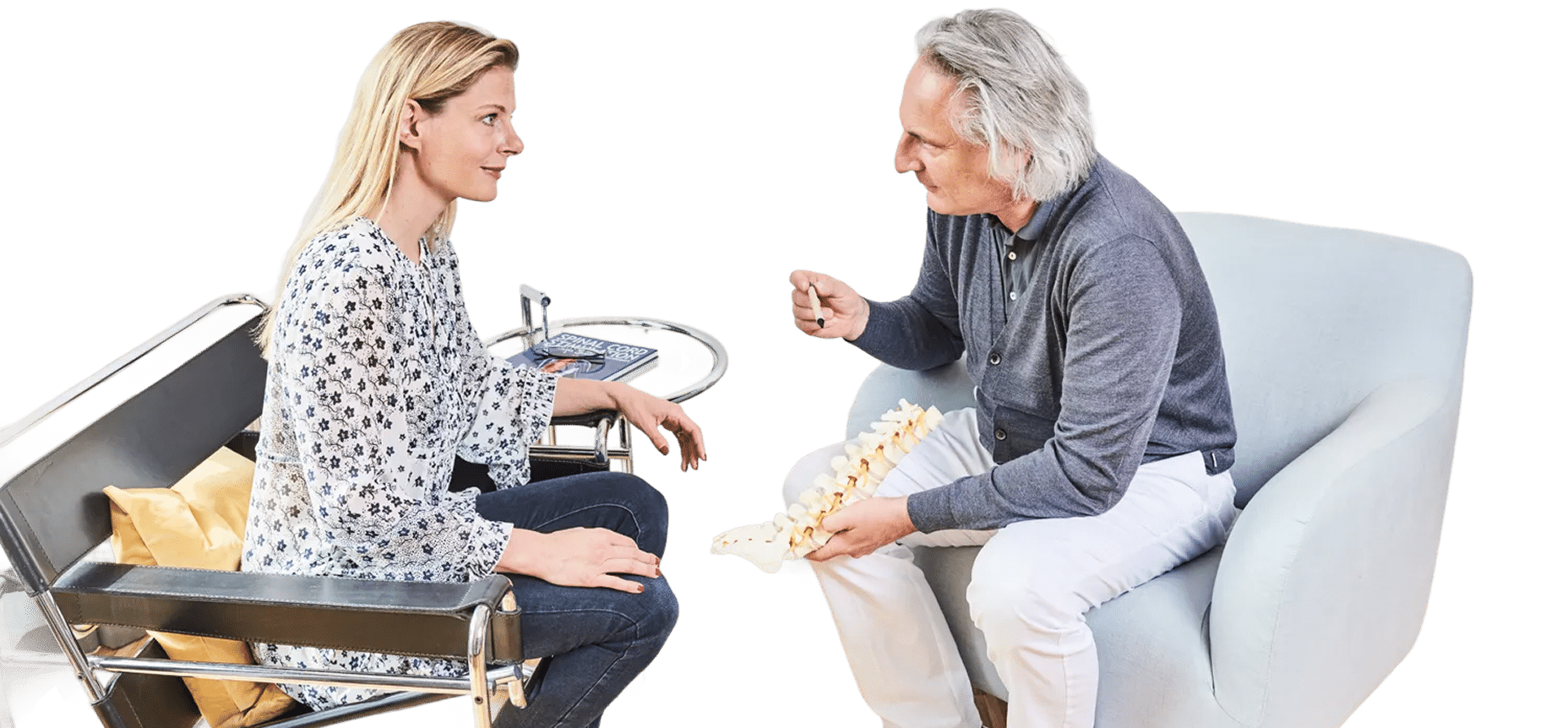
In the Pain Workshop Munich we treat Chronic pain as a separate disease entity. Work for that Therapists for specialized pain therapy from various disciplines Together, they re-order the findings and identify the causes that keep the pain recurring.
Our goal is to treat you and your pain in such a way that your everyday life becomes worth living again.
Experiences from the Pain Workshop Munich

My wife suffered a rupture of a disc in her spine that remained undetected for a long time. Unfortunately, the pain has become unbearable! After a long and miserable journey to the doctor, the last stop was the DR. GALL pain clinic! With his impressive treatment methods, he was able to help me return to almost normal life! Thank you Dr. Gall
Stefan D.
I have been a patient in the pain clinic for almost two years! Even when you enter the practice, you get the feeling that you are in the right place - you can feel that there is a great working atmosphere here! Even the doctors don't treat you as just another patient - everything happens on equal terms! I always feel very comfortable with Dr. Gall and his team! Even though the path ahead is very long for me! Thank you for the successful treatments so far!
Katja S.
Dr. Gall's practice offers outstanding medical care. The entire team is competent, friendly, and works with high professionalism. Why? Because of the quality of the treatment: 1) Thorough history: Dr. Gall takes the necessary time to conduct a very thorough history. The diagnosis is explained in detail and clearly, and not just thrown around in a roundabout way. 2) Targeted treatment: The treatment is clearly focused on reducing pain. Something that also seems particularly important to me in today's world: The entire team works hand in hand, and despite the professional excellence, humanity always comes first. You feel completely at ease here.
Stefan

Over 8 million people in Germany suffer from chronic pain
A constant backache, recurring headaches, or pain throughout the body – these have been your constant companion for a long time.
Back pain
Recurrent headaches and migraines
Whole-body pain
And you are not alone: millions of people in Germany live with chronic pain.
These complaints affect everyday life. They determine how resilient you are. How long you can sit, walk, or concentrate. And how much energy you have left after a day at work. And the frustrating thing about it: Despite many visits to the doctor, medications, or other therapies, there is often no real improvement. What is the reason for this?
Over 8 million people in Germany suffer from chronic pain
Recurrent headaches and migraines
Whole-body pain
Back pain
And you are not alone: millions of people in Germany live with chronic pain.
These complaints affect everyday life. They determine how resilient you are. How long you can sit, walk, or concentrate. And how much energy you have left after a day at work. And the frustrating thing about it: Despite many visits to the doctor, medications, or other therapies, there is often no real improvement. What is the reason for this?
Why persistent
Pain often does not get better
The most common problem: Many people are not clear about the difference between acute and chronic pain.

Acute pain
It usually results from a specific event, such as an injury. For example, when you burn yourself on something hot.
It is a warning signal from the body and sounds like healing is about to begin.
Chronic pain
It works differently.
In addition, persistent pain affects mood, sleep, resilience, and how we cope with stress. At the same time, these very factors in turn increase our perception of pain.
An effect is created A vicious cycle: Pain affects the psyche, and the psychological stress in turn increases the pain. In this phase, it is often no longer possible to distinguish what was originally caused by physical factors from what is a consequence of the chronic condition.
This is how we treat chronic pain
in the Pain Workshop Munich
Thorough diagnostics instead of isolated findings
View more
Thorough diagnostics instead of isolated findings
Existing examinations such as MRI, CT or X-rays are fully reviewed and independently assessed. This includes not only the results of the imaging procedure, but also the medical discussion with the patient.
Because truly relevant clues only arise from the combination of
- the pictures
- the medical history
- and the concrete description of the complaints in everyday life
Neurological and physical examination
View more
Neurological and physical examination
In addition, a neurological and orthopedic examination is performed on each patient.
This way it is easier to assess,
- Which structures are actually involved?
- and which changes are visible, but not pain-relevant?
Special procedures for identifying the source of the pain
View more
Special procedures for identifying the source of the pain
In certain cases, they come special diagnostic procedures for use, for example Targeted infiltrations.
In this case, individual nerves or joint structures are affected. targeted and temporarily anesthetized, to check if the pain changes as a result.
If there is a significant improvement, this provides an important clue as to where the source of the pain actually lies.
Our „Pain Map“
View more
Our „Pain Map“
- Which factors play a role?
- Which things intensify the pain?
- Which are more likely to be side effects?
Therapy based on different components (in most cases without surgery)
View more
Therapy based on different components (in most cases without surgery)
Only when it is clear what is causing the pain can therapeutic steps be chosen in a meaningful way.
This results in a mosaic of different therapeutic components, for example:
- Physiotherapeutic measures
- Medicated procedures
- psychotherapeutic or psychological interventions
Everything that is not covered directly in the pain clinic is carried out in close collaboration with experienced partners. In many cases, a surgery can be avoided through coordinated action.
Interdisciplinary team of doctors with specialized expertise
View more
Interdisciplinary team of doctors with specialized expertise
- General Medicine
- Anesthesiology
- Neurosurgery
- Psychiatry
Our goal: to influence your pain in such a way that you can better manage your daily life.
When is the Pain Workshop the right place for you?
Choose the one that most closely applies to your situation.
The Schmerzwerkstatt München is yours
Contact point if you...
… you have a herniated disc and are unsure whether surgery is really necessary
In just 1-3 % of the documented cases, a herniated disc requires surgery. In most situations, conservative treatment is initially advisable.
We help you with that, Correctly classifying imaging findings and evaluating treatment options and will accompany you even when an operation becomes necessary.

The Schmerzwerkstatt München is yours
Contact point if you...
… you suffer from persistent or recurring back pain
Back pain can have many causes. Especially in the case of long-standing or recurring complaints, it is often unclear what the underlying cause is., what actually causes the pain and which is only a side effect.
Therefore, we approach back pain systematically: We reclassify existing findings, conduct a thorough orthopedic and neurological examination, and assess the patient's symptoms., which structures are really pain-relevant.
On this basis, we develop a meaningful treatment path.
The Schmerzwerkstatt München is yours
Contact point if you...
… continue to have pain after a back surgery
Pain after an operation can be part of the normal healing process. However, if the discomfort persists for weeks or months or even increases, a reassessment is needed.
In this situation, we are specifically examining,
- whether a new source of pain has arisen (e.g., due to scarring, nerve irritation, or instability),
- or whether the pain process has become self-sustaining in the nervous system.
To do this, we review existing findings, conduct a neurological and orthopedic examination of you, and determine the cause., which factors are currently maintaining the pain. On this basis, we develop a treatment approach.
The Schmerzwerkstatt München is yours
Contact point if you...
… you suffer from chronic headaches
If headaches occur regularly or persist for months, it is crucial to find out the cause., what type of headache is it? and why the complaints keep recurring.
First we clarify,
- whether it is, for example, tension headaches, migraines, or another form
- and which factors can aggravate or maintain headaches.
This also includes a critical look at the previous treatment, especially the use of pain medications. Based on this, we develop a structured treatment approach that aims to improve the patient's quality of life. Reduce the frequency and intensity of headaches in the long term.
The Schmerzwerkstatt München is yours
Contact point if you...
… you are affected by migraines
Migraine is more than just „severe headaches“. The attacks often come suddenly, impair concentration and performance, and conventional painkillers are often not effective enough to control them.
We will medically classify your migraine and conduct an examination. Frequency, course and possible triggers and see which treatment approaches have been successful so far and which have not.
Based on this, we develop a Treatment plan. In addition to acute medications, this can include preventive therapies and non-drug procedures, with the goal of making seizures less frequent, shorter, or less disruptive.
The Schmerzwerkstatt München is yours
Contact point if you...
... you experience stabbing, tingling pain or numbness
These complaints often arise as part of polyneuropathy (often called whole-body pain), when the nervous system itself is involved in the pain.
Typically, the pain is:
- occurring as a result of injection or electrical stimulation
- running along an arm or leg
- accompanied by tingling, crawling of ants or numbness
Many sufferers notice that these pains feel different from muscle or joint pain and that conventional painkillers are not effective enough.
In such cases, we specifically determine whether and in what form nerves are involved. which mechanisms cause the complaints.
Based on this, we select diagnostic and therapeutic steps.
The Schmerzwerkstatt München is yours
Contact point if you...
… have tumor-related pain
In the case of a tumor disease, pain is not uncommon to occur in addition. Either due to the tumor itself, metastases, or as a result of therapies.
These pains are often particularly distressing because they combine physical discomfort with emotional and psychological pressure.
In such cases, we take into account not only the pain itself, but the entire situation: existing cancer treatments, concomitant medication, resilience, and personal life circumstances.
On this basis, we develop targeted pain therapy that is geared towards:, To alleviate discomfort, minimize side effects and make everyday life as comfortable as possible.
The Schmerzwerkstatt München is yours
Contact point if you...
… would like an independent second opinion before a planned spinal fusion operation
If you have been recommended surgery on the spine, this is a big step. Especially for chronic conditions, it is advisable to have the benefits, risks, and alternatives reviewed independently again.
Our focus is on categorizing findings, complaints, and the previous course of events, and honestly evaluating whether an operation is really necessary. whether it is necessary or whether there are sensible alternatives.
Should an operation prove to be necessary or unavoidable, we will help you understand the procedure, recommend experienced surgeons, and also support you in the period after the operation.
The Schmerzwerkstatt München is yours
Contact point if you...
... want to better understand your pain
Many people feel that their symptoms are no longer a temporary problem, but they do not receive a clear explanation for this.
When pain persists for months or recurs repeatedly, it changes. Often, it is no longer just a sign of an injury, but develops its own dynamics within the nervous system.
We help you understand,
- Why pain can become chronic
- which physical, neurological, and psychosocial factors are involved in this process
- and why many treatments often aren't enough
This understanding is important. A basis for embarking on a meaningful and realistic treatment path.
The Pain Workshop is NOT the right place for you if you have acute joint pain. Then an orthopedic consultation is required, not a pain management consultation.
Not every type of pain requires specialized care. For example, if you have acute knee pain – for example, after an injury, a fall, or sudden severe swelling – an orthopedic specialist clinic is the right place to turn to.
If you are unsure whether we are the right place to turn to with your request, feel free to give us a call (089 90 93 20 30). We will help you find the next sensible step.

This is how the treatment works in
Schmerzwerkstatt Munich is coming
Diagnostics
In an extensive initial consultation, a neurological and physical examination, and a joint discussion of the available findings, the causes of your pain and the factors that maintain them are outlined. Based on this, a treatment plan is created.
Therapy
The treatment takes place as part of an outpatient, multimodal pain therapy. Different therapeutic approaches are meaningfully combined. The therapy is tailored to the identified pain triggers and is planned so that it fits into your daily routine.
Evaluation and adjustment
The course of therapy is regularly reviewed and adjusted as needed. With good progress, treatment can be continued or gradually modified. Over time, the focus increasingly shifts towards stabilization and prevention, moving from pure relief to a longer-term better management of the symptoms.
Step 1:
Diagnostics
In an extensive initial consultation, a neurological and physical examination, and a joint discussion of the available findings, the causes of your pain and the factors that maintain them are outlined. Based on this, a treatment plan is created.
Step 2:
Therapy
The treatment takes place as part of an outpatient, multimodal pain therapy. Different therapeutic approaches are meaningfully combined. The therapy is tailored to the identified pain triggers and is planned so that it fits into your daily routine.
Step 3:
Evaluation and adjustment
The course of therapy is regularly reviewed and adjusted as needed. With good progress, treatment can be continued or gradually modified. Over time, the focus increasingly shifts towards stabilization and prevention, moving from pure relief to a longer-term better management of the symptoms.
How to get to your first appointment
in the Pain Workshop Munich
You can book your appointment directly online via the website yourself. Simply click on our online reception and then on “Schedule an appointment”. After the appointment has been booked, you will receive a confirmation from us. In the online reception, we will also explain…
...how to prepare for the appointment
...which documents are helpful and necessary
... how the first appointment goes.
Would you prefer to arrange your appointment by phone?
Then you can reach our AI phone assistant around the clock at 089 90 93 20 30. You can also make an appointment with her. We are happy to be available to you personally during the specific telephone hours mentioned there.
How you can prepare for the appointment
Which documents are helpful and necessary
How the first appointment goes.
Would you prefer to arrange your appointment by phone?
Then you can reach our AI phone assistant around the clock at 089 90 93 20 30. You can also make an appointment with her. We are happy to be available to you personally during the specific telephone hours mentioned there.
Pain Workshop Munich:
Practice & Directions
Our opening hours
Monday, Wednesday, Thursday:
8:00 – 13:00 and 14:00 – 17:00
Tuesday & Friday:
Dr. Gall: Private practice and/or surgical activity:
GP Gece and FA Fuchs: 8:00 – 15:00
How to get there by car
If you are coming by car, you can easily find your way to the address.
Free parking are available in the immediate vicinity of the health center. Additional cost-effective underground parking spaces in the house You reach it via Winterthur Street. The entrance is directly behind the savings bank.
How to get there by public transport
The next subway station is Forstenrieder Allee (U3). There you get off and follow the exit towards Zurich Street / Winterthur Street. From there it is only about 100 meters on foot to the health center.
Current notice:
Between Monday, May 18, and Friday, September 18, the Goetheplatz and Poccistraße subway stations will be renovated. Therefore, the U3 train service between Sendlinger Tor and Implerstraße will not be running. The replacement bus U6 will run instead of the subway between Implerstraße and Sendlinger Tor in both directions during peak hours at a 2-minute interval. Please plan a little more time than usual. – Thank you!
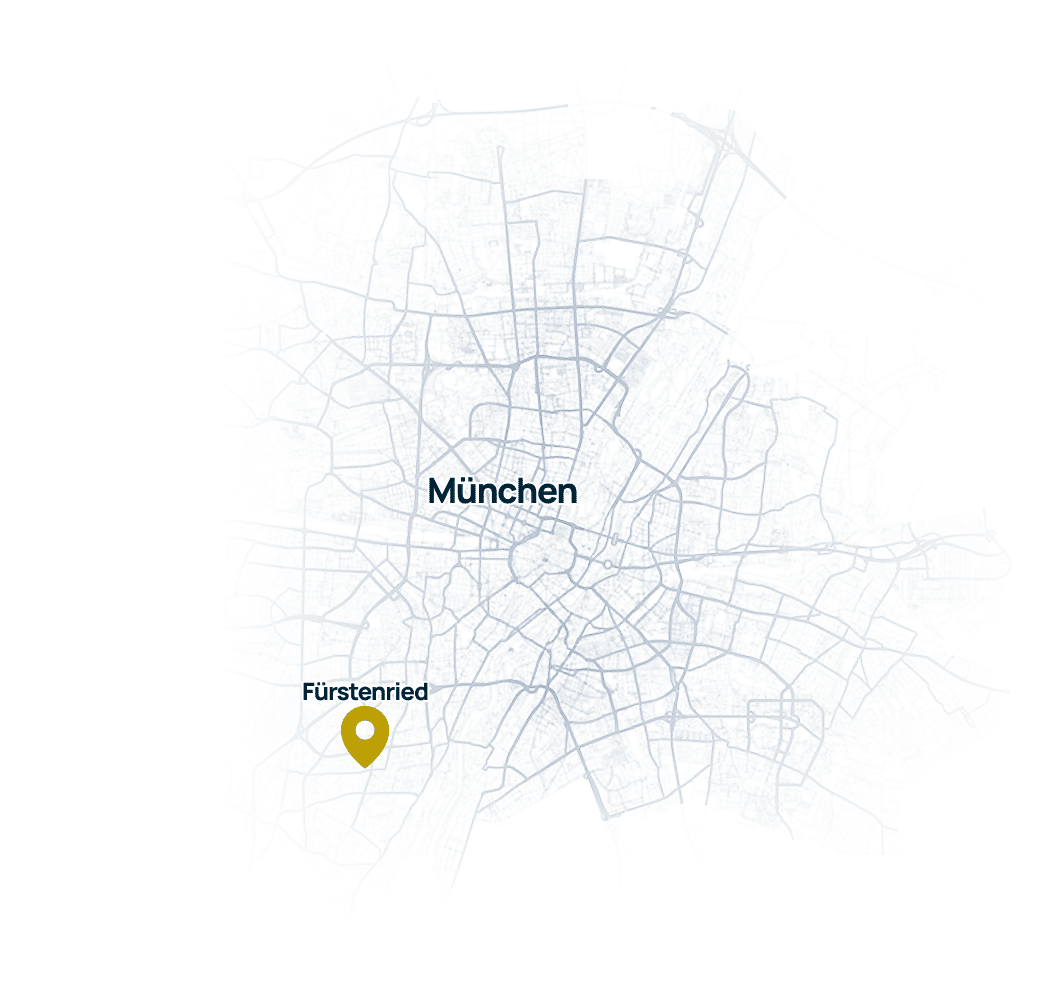
- Our full address is:
Pain Workshop Munich,
Züricher Straße 92, 81476 Munich
Phone: 089 90 93 20 30
Email: empfang@schmerzwerkstatt.de
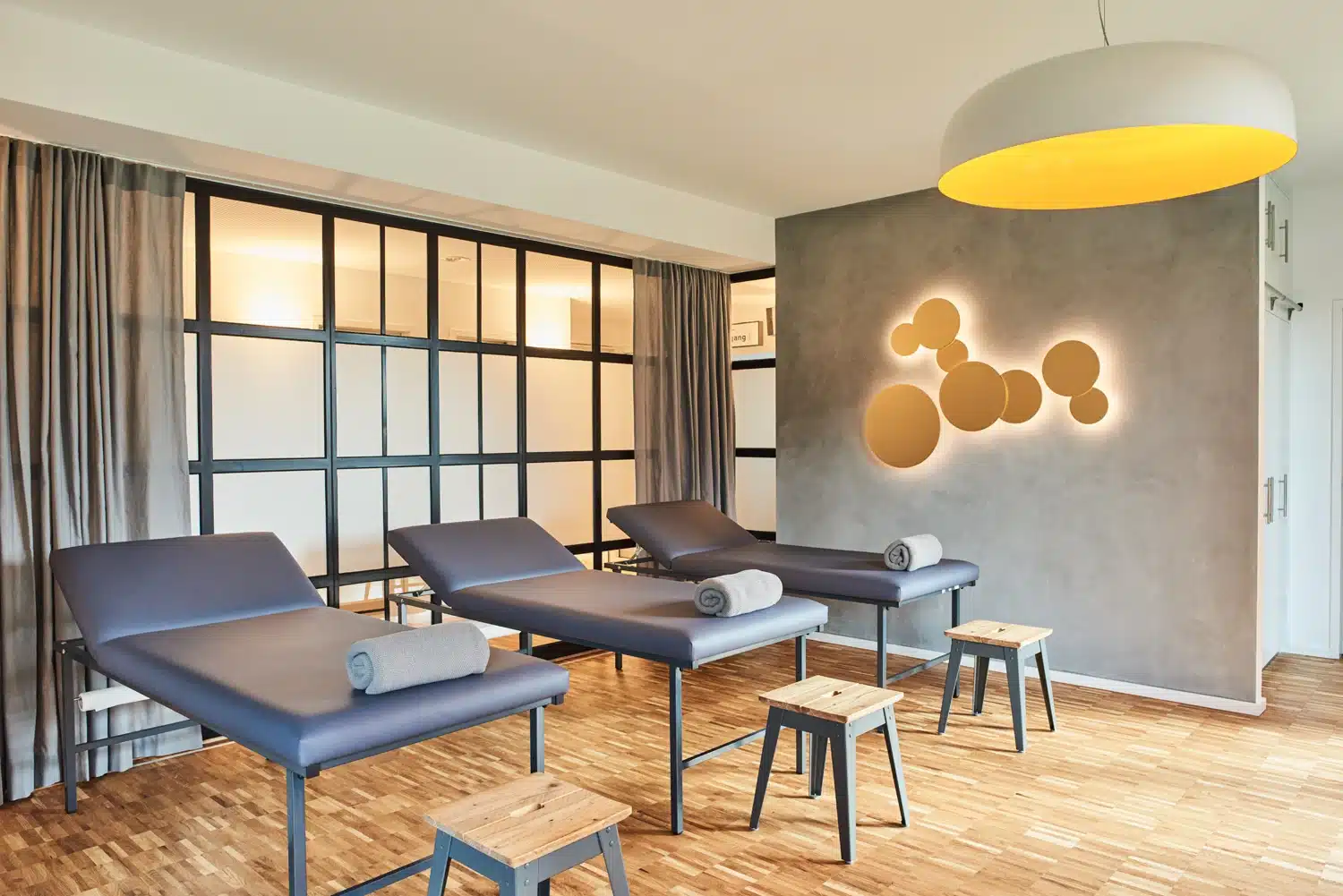
A look into our practice
To help you get oriented before your visit, we’re showing you a
An impression of our practice and the entrance to the practice. You can find us in the Fürstenried Health Center in the south of Munich.
About the Schmerzwerkstatt Munich
Our goal in the Pain Clinic is to offer pain therapy of university-level quality also in the outpatient setting.
Chronic pain is complex and cannot be understood or treated in a meaningful way from only a medical perspective.
That is why we only employ specialist physicians who specialize in pain therapy and have additional qualifications in this field.
Dr. Claudius Gall
During my specialist training at the Großhadern Clinic and my later work as a senior physician in neurosurgery in Regensburg, the topic of back pain became increasingly central to my interests. Today, I am one of the few specialists in Germany who hold both the specialist title of neurosurgery and the additional title of specialized pain therapy.
Specialist physician Simona Gece
It has impressed me to see how patient-adapted and individualized pain therapy can help people regain quality of life. These experiences have sparked the desire within me to delve deeper into pain therapy: the direct contact with patients and the opportunity to help them on their journey towards less pain and more enjoyment of life are particularly fulfilling for me.
Specialist doctor Alexander Fuchs
Pain is not a purely physical reaction. It is always a perception. And it is influenced by biological, neural, psychological, and social factors.
At the same time, we see that there are far too few specialized resources available for people with chronic pain. The need is great: approximately one in ten people live with a relevant pain problem.
Our mission is therefore not only to treat, but to bring knowledge about pain to the public and to promote an understanding of the complex facets of pain.
What diseases
Are they lying?
What therapies were used
Have you already tried it?
What is the professional and
private situation over?
Where are there pressures?
or conflict areas?
Would you prefer to arrange your appointment by phone?
Then you can reach us at 089 90 93 20 30 during our opening hours.
Why we
„They call it a “pain workshop”
A workshop is the opposite of a factory. It is not about mass production or standardized processes, but about individual work on the specific problems of our patients.
This is how we also understand our work with pain patients.
More about the Schmerzwerkstatt München
You are currently seeing placeholder content from YouTube. To access the actual content, click on the button below. Please note that data will be shared with third-party providers.
More informationWhen to see a pain therapist – how to recognize the right time
You are currently seeing placeholder content from YouTube. To access the actual content, click on the button below. Please note that data will be shared with third-party providers.
More informationMultimodal pain therapy explained simply – why multiple methods work simultaneously
You are currently seeing placeholder content from YouTube. To access the actual content, click on the button below. Please note that data will be shared with third-party providers.
More informationSecond opinion for herniated disc & back pain & surgery – when to seek it...
Frequently Asked Questions about Pain Therapy
in the Pain Workshop Munich
Can you imagine pain?
No. Pain is always a real perception and never „imagined“. Even if a clear physical cause cannot always be found, the pain is real and debilitating. Chronic pain often results from changes in the nervous system., in which pain signals are processed differently than in acute complaints. Therefore, what matters is not the question of whether the pain is real, but rather which mechanisms lead to this perception. It is precisely this that needs to be understood and treated specifically.
What is the difference between acute and chronic pain?
I've already seen many doctors – can I still get help here?
Do I need a transfer?
How long does a treatment for chronic pain take?
Do I have to expect an operation?
How does the Pain Workshop differ from a normal orthopedic or neurological practice?
Chronic pain often affects several levels at the same time: the body, the nervous system, the psyche and everyday life. In the Pain Clinic, only female doctors with the additional qualification of Special Pain Therapy work; this is an additional qualification acquired through extensive training and carefully reviewed by the German Medical Association. This can lead to complaints considered from an interdisciplinary perspective and treatment approaches are combined in a meaningful way, Instead of treating individual symptoms in isolation.
In addition, we have a specialist in neurosurgery named Dr. Gall, and not neurology.
What is the difference?
While a neurosurgeon can operate, especially on the head and spine, the neurologist is limited to diagnosis and the medical treatment of neurological diseases.
Dr. Gall differs from the majority of neurosurgeons by his additional designation of „Specialized Pain Therapy“ and can in this respect approach the topic of back pain from both perspectives: that of the surgeon and that of the pain therapists who primarily work conservatively – a very rare and very beneficial combination for the patient.
What happens if a therapy does not bring the desired success?
Is pain therapy only for „recovered“ patients?
When does pain become chronic?
What does a pain therapist actually do?
Does pain therapy mean that everything is „psychic“?
No. Pain is always first and foremost a biological phenomenon. It is produced in the body and processed through the nervous system. There is nothing imaginary or „psychic“ in the sense of „not real“ about this. However, if pain persists over a prolonged period, processes in the nervous system change. The pain then influences mood, sleep, resilience, or stress reactions, for example. At the same time, these very factors in turn have an effect on the perception of pain. A vicious cycle is created.
That does not mean that the pain is „psychologically caused“. It means that the body, the nervous system, and mental stress influence each other. Pain therapy therefore does not mean to psychologize the pain, but to understand which biological mechanisms are active in the nervous system and what they strengthen or maintain. Only if these connections are taken into account, Chronic pain can be treated in a meaningful way.
Can I be treated as a patient in the hospital or just as a private patient?
We treat female patients who are both legally and privately insured And patients. Which services are covered in each case depends on the insurance and the planned scope of treatment. We would be happy to clarify beforehand in a transparent manner what the options are and what is relevant to you., so that you can make an informed decision.