
Multimodal pain therapy: These prerequisites should be met
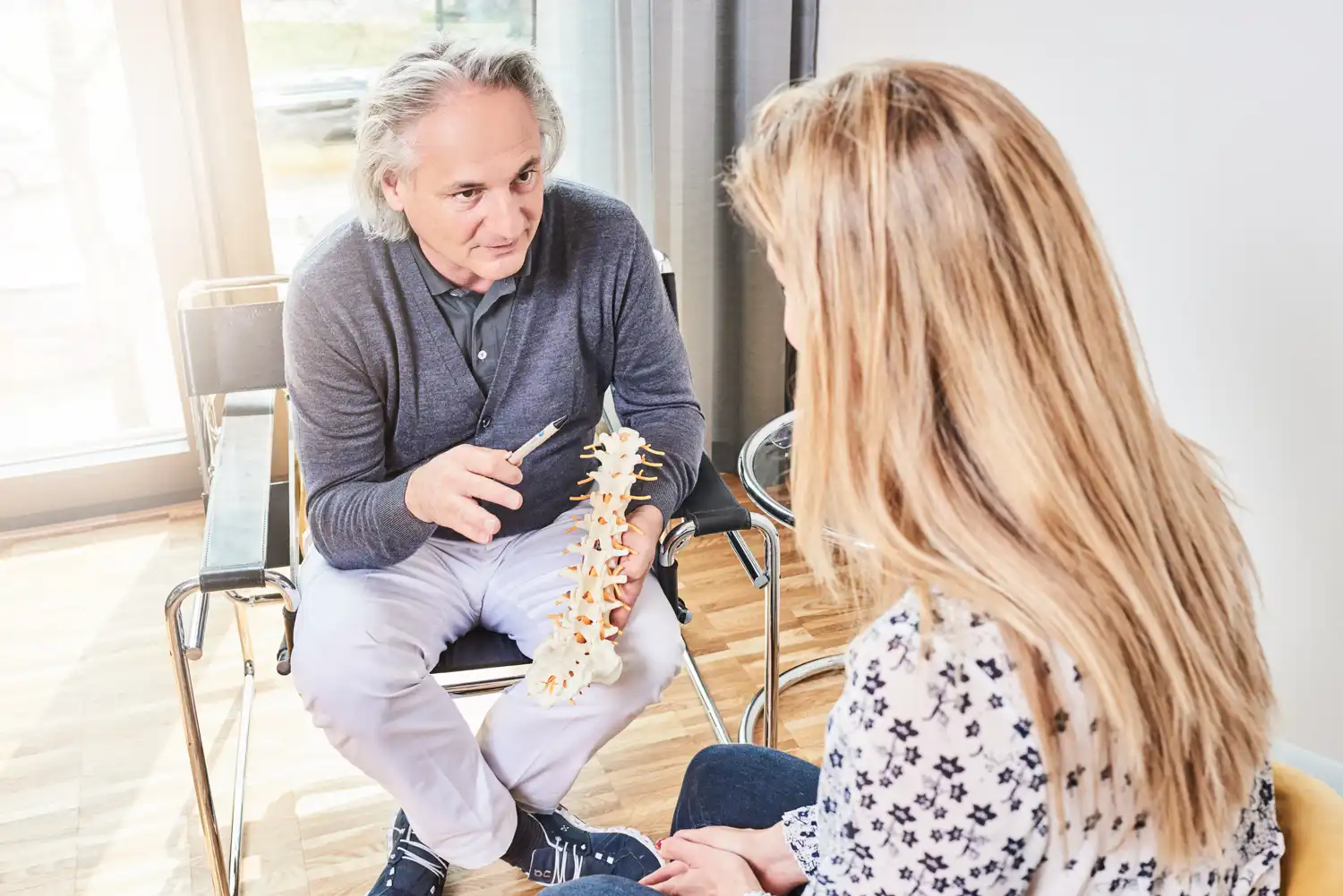
Table of Contents
Chronic pain can significantly limit daily life, from sleep to movement to work or leisure activities. Many sufferers have already tried pain medication, physiotherapy, or other treatments without achieving a lasting improvement. In such cases, multimodal pain therapy may be an option, provided certain medical and personal prerequisites are met.
In this article, you will learn what multimodal pain therapy is and when it is used. We will also show you which medical and personal criteria should be met and how admission to the treatment process works.
Important information on the prerequisites for multimodal pain therapy:
- Multimodal pain therapy is often recommended when pain persists for longer than three to six months and previous individual treatments have not provided sufficient relief.
- In addition to medical prerequisites, motivation, active participation, and regular participation in the various therapy components play a crucial role.
- Before starting treatment, a specialist with the additional qualification „Specialized Pain Therapy“ will, in a detailed diagnosis, determine whether this form of therapy is suitable for you.
What is multimodal pain therapy?
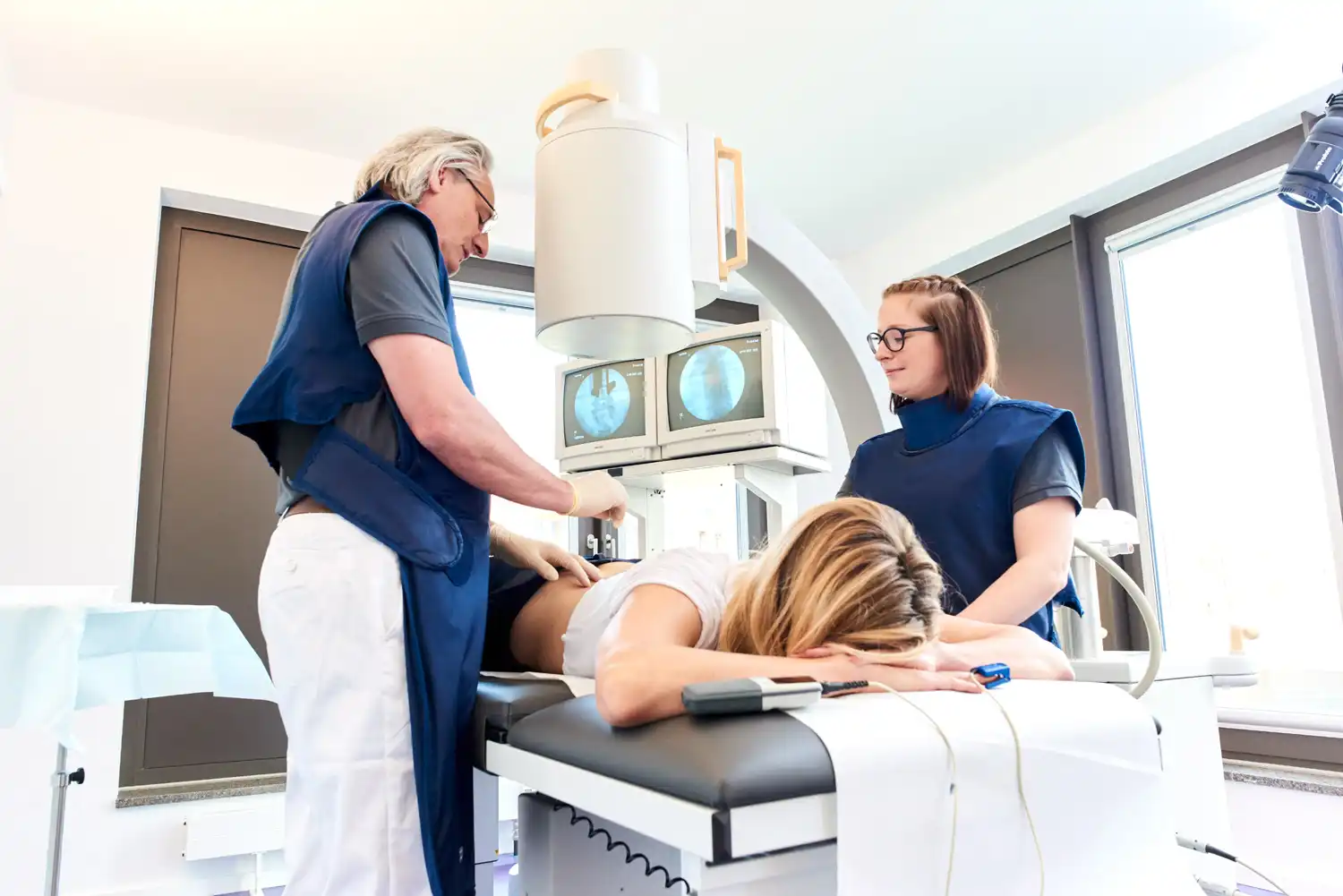
Multimodal pain therapy, also called interdisciplinary multimodal pain therapy (IMST), combines various treatment components that are specifically tailored to the individual patient’s needs. It is used in the treatment of chronic pain, for example in the case of long-lasting back pain, when isolated individual treatments are no longer sufficient. The therapy involves several medical disciplines.
Different treatment methods must be combined, as chronic pain has multiple causes that affect the individual patient differently. A single method is not enough, as persistent pain can persist even when the original tissue damage has already healed. Pain medications only provide insufficient relief because the pain becomes self-perpetuating and the nervous system permanently stores pain signals. In this context, doctors speak of the activation of pain memory.
Chronic pain can also trigger stress, anxiety, or depression. These emotional burdens in turn further exacerbate the physical symptoms. Therefore, multimodal pain therapy ideally complements physical treatment approaches with psychological support.
At the same time, many sufferers are less active due to fear of pain. This can lead to muscle loss and further discomfort. For this reason, in multimodal pain therapy, various treatment components are combined with each other.
The goal of multimodal pain therapy is to alleviate symptoms by combining different treatment components.
Who is the therapy suitable for?
Multimodal pain therapy is often recommended if you:
- suffering from pain or pain syndromes for 3 months or more
- are significantly restricted in everyday life
- have already tried medications, physiotherapy, or other treatments without the symptoms improving permanently
- are willing to actively participate in the treatment
- be able to participate regularly in the various therapy components
If you experience several of these symptoms, multimodal pain therapy may be an option. To determine whether this form of treatment is suitable, a detailed examination by a specialist with the additional qualification „Specialized Pain Therapy“ is required.
Requirements for multimodal pain therapy
Multimodal pain therapy does not only mean treatment with a single method, but the combination of various treatment approaches. For this, patients must be physically, mentally, and organizationally able to actively participate. Therefore, there are different admission criteria for the therapy.
The prerequisites for multimodal pain therapy do not only consist of medical criteria. It is also crucial whether the therapy form fits the patient’s pain history, daily life, and willingness to actively participate. If this is not the case, other treatment modalities may be considered depending on the specific complaint.
Why active participation is so important
- Chronic pain often arises from several physical and psychological factors.
- Medications alone are often not enough to relieve pain.
- Exercise, behavioral changes, and self-practice are important components of the treatment.
- Active participation helps alleviate symptoms and improve the management of chronic pain.
Multimodal pain therapy: Why you should only have treatment from specialists
Additional qualification “Specialized Pain Therapy”
The additional designation „Special pain therapy“ Doctors receive this qualification only after additional training in a specialized facility approved for the treatment of pain for 12 months and a final examination by the state medical board. It builds on a multi-year specialized medical training and imparts in-depth knowledge in the diagnosis and treatment of chronic pain.
This trains special pain therapists to comprehensively assess complex pain patterns and to targetly combine different treatment methods. Experienced pain therapists not only assess current findings, but also take into account the previous course of the illness, existing imaging, and physical and psychosocial influencing factors in their assessment.
Interdisciplinary collaboration
Multimodal pain therapy thrives on the close collaboration between different disciplines. Depending on the nature of the complaint, for example, specialists, physiotherapists, and psychologists may all be involved in a treatment plan.
Through this collaboration, physical, psychological, and functional influencing factors can be taken into account simultaneously.
Personalized therapy planning instead of standard treatment
There is no multimodal pain therapy that looks the same for every patient. The components of the therapy used depend, among other things, on the cause of the pain, the duration of the symptoms, limitations in daily life, and the individual patient's therapeutic goals.
Therefore, an extensive diagnostic evaluation is always the first step. Only on the basis of this information is it decided which treatment components to use and how they should be combined.
The Schmerzwerkstatt Munich: Specialized treatment of chronic pain
In the Schmerzwerkstatt Munich, only specialist physicians with the additional title are treating. Special pain therapy Patients with acute and chronic pain. Through close collaboration between various medical disciplines and extensive diagnostics, a personalized treatment plan is created for each patient. The goal is to accurately identify the causes of the symptoms and develop a therapy that can contribute to longer-term quality of life and resilience. Schedule an appointment now Your appointment and let them advise you.

5 steps to treatment in the Pain Workshop Munich
Step 1
Detailed initial consultation
At the beginning, you will talk with the treating doctor about your symptoms, previous therapies, and medical history. This will provide a comprehensive picture of your pain situation.
Step 2
Review of all preliminary findings
Existing medical reports, MRI or CT scans, and other examination results are carefully evaluated to avoid unnecessary examinations.
Step 3
Physical examination
Subsequently, a thorough physical examination is performed, in which mobility, posture, and pain triggers are evaluated. This allows the causes of the complaints to be narrowed down as precisely as possible.
Step 4
Diagnostics
Depending on the nature of the complaint, further diagnostic measures are necessary to better understand the pain process.
Step 5
Joint therapy planning
Finally, based on the results of the examination, the treatment team will create a personalized treatment plan with you. The various components of the treatment are then tailored specifically to your symptoms, goals, and daily routine.
Arrange it now an appointment at the Schmerzwerkstatt München and have them check whether multimodal pain therapy is suitable for your symptoms.
Conclusion: The prerequisites determine whether multimodal pain therapy is appropriate.
Multimodal pain therapy becomes advisable when the pain persists for a longer period than three months, significantly restricts daily life, and previous treatments have not been able to satisfactorily alleviate the symptoms. Only through detailed diagnosis can the physical, functional, and psychological factors that influence the pain process be identified and the therapeutic components that should be combined be determined.
Equally important is the willingness to actively participate in the treatment process. Exercise, knowledge about one's own pain experience, and a therapy tailored to the individual contribute to reducing symptoms in the long term and improving quality of life.
If you suffer from chronic pain and want to know if you meet the prerequisites for multimodal pain therapy, have your symptoms thoroughly evaluated in a specialized pain clinic. In the Schmerzwerkstatt München, experienced specialists will assess your specific situation and develop a suitable treatment plan together with you. Book an appointment now Your appointment and let them advise you.
Frequently asked questions about multimodal pain therapy
Who meets the requirements for multimodal pain therapy?
When is the term “chronic pain” used?
Is a referral required for multimodal pain therapy?
Whether a referral is required depends on the specific practice and the guidelines of your health insurance provider. Many specialized pain clinics can also be contacted without a referral. However, it is advisable to check the respective requirements before scheduling an appointment. (For the Pain Workshop Munich You do not need a transfer.)
Do I have to actively participate during the therapy?
Can the therapy be performed on an outpatient basis?
Who decides whether I am suitable for multimodal pain therapy?
Which doctors are allowed to perform multimodal pain therapy?
Multimodal pain therapy is administered by doctors with the additional designation Special pain therapy They carry out and lead treatment programs. Depending on the treatment plan, they work closely with physiotherapists, psychologists, and other specialist disciplines to ensure comprehensive care.